Source Air Cooled 4 Stroke Electric Engine for Generators Pumps
Compare 30 listings for air cooled 4 stroke electric engine options including diesel and gasoline variants. Buyers can review specifications like bore, displacement, and cooling types to find suitable power sources for industrial applications; compare the available evidence and request quotations based on your requirements.
Key considerations
Products List




Comprehensive Sourcing Guide
Air Cooled 4 Stroke Electric Engine Sourcing Guide
Procurement teams seeking air-cooled four-stroke engines must navigate a complex market where product listings often blend distinct powertrain technologies. The core keyword suggests a hybrid or electric variant, yet observed data frequently points to internal combustion units. Buyers must carefully distinguish between true electric motors and diesel or gasoline engines that share similar cooling and stroke characteristics. This guide clarifies the technical boundaries to prevent misalignment between procurement intent and actual product capabilities.
Understanding the discrepancy between the search term and available inventory is the first critical step. Many listings labeled with "electric" may actually refer to electrically started combustion engines or specific electric motor models with similar physical dimensions. By identifying the true power source early, buyers avoid costly errors in specification matching. This section establishes the baseline for verifying whether the product is a combustion engine or an electric motor, ensuring that subsequent technical and commercial evaluations are grounded in accurate product definitions.
Product Scope and Observed Listing Signals
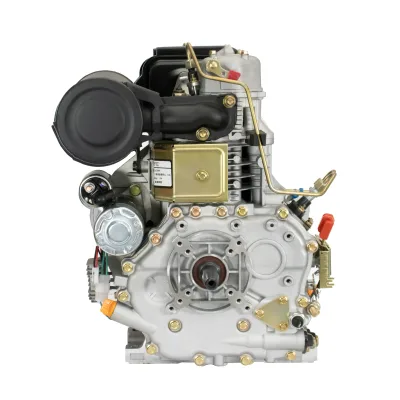
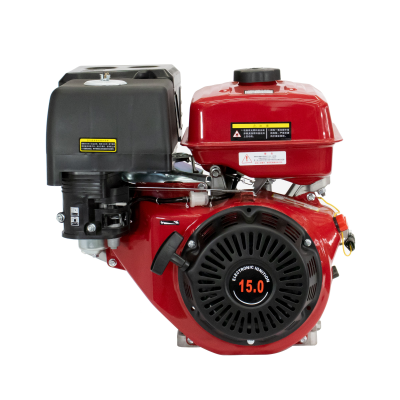
The observed product range includes both diesel and gasoline engines, as well as electric motors, creating a heterogeneous pool for sourcing. Diesel models often feature water-cooling and double-cylinder configurations, while gasoline variants typically use air-cooling and single-cylinder designs. Electric motors appear in the data with distinct model numbers and power sources. Buyers must filter listings by fuel type and cooling method to isolate the specific air-cooled four-stroke units they require. This segmentation prevents confusion between thermally managed combustion engines and electric drive systems.
Listing signals such as model numbers like KH192F or KF190F provide specific identifiers for gasoline engines, while NTA855 and KTA19 denote larger diesel units. The presence of "Electric Motor" as a type attribute in some listings confirms that electric options exist within the broader category. However, the majority of high-confidence attributes point to combustion engines with reciprocating pistons. Buyers should treat "electric" in the keyword as a potential filter for ignition systems or starter mechanisms rather than the primary power source, unless explicitly confirmed by the supplier.
Technical Specifications to Verify
Verifying the cooling system is paramount for air-cooled applications, as it directly impacts thermal management and maintenance requirements. While some listings specify water-cooled cylinders, the target scope requires air-cooled units. Buyers must confirm that the engine relies on ambient air for heat dissipation, which affects the design of the cooling fins and airflow requirements. This specification is critical for applications where water supply is unavailable or where simplicity of maintenance is a priority. Ensuring the correct cooling type prevents operational failures in dry or remote environments.
Displacement and bore dimensions are key technical parameters that define the engine's power output and physical footprint. Observed data includes a bore of 84mm and a displacement of 2.2L for certain models, which helps in matching the engine to the intended machinery. Buyers should verify these dimensions against their equipment requirements to ensure proper fit and performance. Additionally, the number of cylinders, whether single or double, influences the engine's smoothness and power delivery. Confirming these mechanical specifications ensures that the engine meets the operational demands of the application.
Compliance and Safety Documentation
Compliance documentation is essential for ensuring that the engine meets regional safety and environmental standards. Observed certifications include EU-V, EPA, Carb, CE, and ISO, which indicate adherence to various regulatory frameworks. Buyers must request specific certificates relevant to their target market, as requirements vary significantly between regions. For instance, EPA compliance is crucial for North American markets, while CE marking is required for European deployment. Verifying these documents prevents legal issues and ensures that the product can be legally operated in the intended jurisdiction.
Noise levels and emission standards are additional compliance factors that buyers must scrutinize. One listing specifies a noise level of 72 dB, which is a measurable metric for environmental impact. Buyers should compare this value against local noise regulations to ensure compliance. Furthermore, fuel consumption rates, such as less than 370 g/kWh for certain models, provide insights into operational efficiency and environmental footprint. Reviewing these technical compliance metrics helps buyers assess the long-term sustainability and regulatory risk associated with the procurement.
Cost Drivers and Commercial Terms
Cost structures for these engines are influenced by the complexity of the powertrain and the level of customization required. Observed price ranges span from $10 to $10,000, reflecting the diversity in engine types and specifications. Buyers should analyze the cost breakdown to understand which features, such as turbocharging or direct injection, contribute to higher price points. Customization options, which are available for many models, can also impact pricing and lead times. Understanding these cost drivers allows buyers to negotiate more effectively and align their budget with the necessary technical features.
Commercial terms, including minimum order quantities (MOQ) and packaging, also affect the total cost of ownership. MOQs range from 1 to 800 units, providing flexibility for both small-scale and bulk procurement. Packaging options include plywood packages and brown cartons with pallets, which influence shipping costs and logistics planning. Buyers should evaluate the total landed cost, including shipping and handling, to determine the most economical sourcing strategy. Clear communication of commercial terms ensures that there are no unexpected costs or logistical delays during the procurement process.
Supplier Qualification and Quality Control
Supplier qualification involves assessing the manufacturer's capability to produce engines that meet the specified technical and quality standards. Buyers should verify the supplier's origin, with observed locations including Beijing and Yancheng, Jiangsu, in China. These locations are known for manufacturing capabilities, but buyers must still conduct due diligence to ensure consistent quality. Requesting samples or conducting factory audits can help verify the supplier's production processes and quality control measures. This step is crucial for mitigating the risk of receiving substandard products that may fail in the field.
Quality control processes should be documented and transparent, with clear protocols for testing and inspection. Buyers should inquire about the specific tests performed on each engine, such as performance testing and durability checks. While specific test results are not provided in the data, the presence of ISO standards suggests a commitment to quality management. Buyers should request detailed quality control reports and certificates of conformity to ensure that each unit meets the agreed-upon specifications. This rigorous approach to supplier qualification helps build a reliable supply chain and reduces the risk of quality-related issues.
Long-Term Procurement Checks
Long-term procurement requires establishing a sustainable relationship with the supplier that ensures consistent supply and support. Buyers should evaluate the supplier's capacity to handle future orders and their ability to provide ongoing technical support. This includes assessing the availability of spare parts and the responsiveness of the supplier's customer service team. A reliable supplier will offer clear communication channels and a dedicated point of contact for technical inquiries. Building this relationship helps ensure that the procurement process remains smooth and efficient over time.
Monitoring market trends and technological advancements is also important for long-term procurement strategy. As engine technology evolves, new models with improved efficiency and lower emissions may become available. Buyers should stay informed about these developments to ensure that their procurement strategy remains competitive and aligned with industry best practices. Regular reviews of the supplier's performance and the product's market position help buyers make informed decisions about continuing or adjusting their procurement agreements. This proactive approach ensures that the procurement strategy remains robust and adaptable to changing market conditions.
FAQs
What cooling types are available for these engines?
Both water-cooled and air-cooled options exist for these engines. The product list includes models with water-cooled cylinders and others featuring air-cooled designs, allowing buyers to select based on their specific thermal management requirements and application environment.
Which fuel types power these engine models?
These engines operate on diesel and gasoline fuels. Specific listings show diesel variants with compression ignition and gasoline models utilizing electric ignition, providing flexibility for different operational needs and fuel availability in various regions where these engines are deployed.
Can I find engines with specific cylinder arrangements?
Yes, engines are available with single-cylinder and double-cylinder configurations. The product data indicates L-shaped arrangements for some models, while others feature vertical in-liner designs, ensuring options exist for diverse mechanical integration and space constraints in machinery applications.
What specifications define the 4D22 model engine?
The 4D22 model features a 2.2L displacement with an 84mm bore and operates as a four-stroke engine. It is a diesel combustion engine with a low-speed rating and naturally aspirated intake, originating from Beijing and designed for reliable industrial performance.
How are these engines packaged for shipping?
Packaging options include plywood packages and brown cartons with pallets. These methods ensure safe transport of the engines, which vary in weight from 16 to 19kg, protecting the units during international logistics and handling processes required for global distribution.
What certifications do these engines hold?
Certifications include EU-V, EPA, Carb, CE, ISO, and Noise standards. These documents verify compliance with international safety and emission regulations, ensuring the engines meet legal requirements for operation in various markets and sectors where strict environmental controls are enforced.